
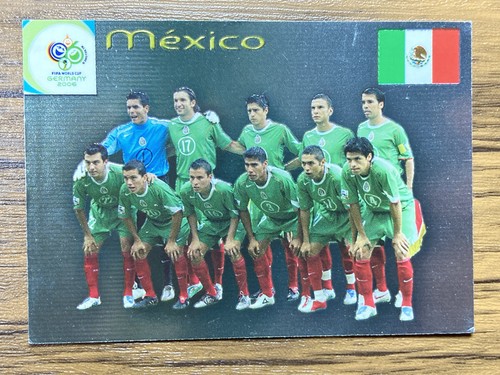
A World Cup on home soil pulls fresh eyes and fresh money into soccer cards. Panini Prizm is where that money lands. Every World Cup cycle since 2014 has done the same thing: a flagship Prizm release, a run on the stars, then a sort-out where the legends hold and the role players fade. The 2026 release will follow the same script. The smart move is to know what World Cup Prizm has actually done before you chase anything.
What World Cup Prizm Has Actually Done
Look at the comps, not the hype. A 2014 Panini Prizm World Cup Lionel Messi base sells around $50 raw, and a PSA 10 trades near $406. The 2018 base Messi sits closer to $20 raw. The 2022 base Messi has cooled to roughly $14 raw with a PSA 10 near $224. That spread maps a World Cup card's life. The debut year and the legacy year hold value. The in-between years drift.
Cristiano Ronaldo prints the same pattern. His 2014 World Cup base sells around $23 raw and pushes past $320 in a PSA 10. The 2022 base Ronaldo, by contrast, is a $6 raw card. Same player, same set line, an eight-year gap, and a 4x difference in raw price. The first World Cup Prizm card of a generational name carries weight the later ones never match.
Parallels Are Where the Real Money Lives
Base cards set the floor. Numbered and colored parallels set the ceiling, and the gap is enormous. A base 2018 Mbappe sells around $36 raw. The 2018 Mbappe Silver Prizm sells around $205 raw and clears $1,000 in a PSA 10. That is a 5x jump from base to Silver on the exact same card. The 2022 Messi Silver tells the same story at $164 raw and $762 graded, against a base that trades for a fraction of it.
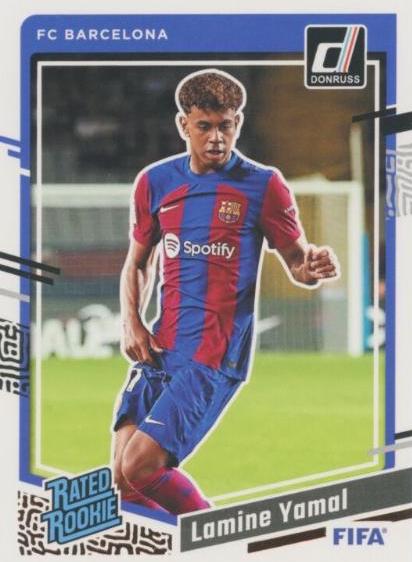
So when the 2026 release drops, do not anchor on the base rookies and stars. Anchor on the parallels. A low-numbered color of a tournament breakout is the card that doubles, not the base. We saw it with Lamine Yamal already: his Gold Cracked Ice from the 2026 Monopoly FIFA World Cup line sells around $90 raw and near $490 in a PSA 10, while his base equivalents sit in single digits. The premium is the color, not the player.
Legends Are the Hold, Tournament Stars Are the Flip
There are two ways to play a World Cup release, and they are not the same trade. Tournament-linked cards of active stars spike on performance and fade after. Legend cards do not need a tournament. They hold because the demand never leaves.
The cleanest proof is Diego Maradona. His Kaboom from the 2025 Prizm FIFA Club World Cup line sells around $503 raw and reaches $1,500 in a PSA 10, with steady volume behind it. No active tournament is propping that up. That is pure legend demand, and it is the kind of card that does not care who wins in 2026. If you want a card to flip, buy a star before his deep run and sell during it. If you want a card to keep, buy a legend and stop watching the chart.
How to Play the Grading Question
Grading only makes sense when the PSA 10 premium clears the cost and the wait. The math is easy to see in the comps. A 2018 Mbappe Silver at $205 raw becomes a $1,000 card in a PSA 10, so that one grades all day. A common base parallel of a mid-tier name, where the raw and the graded price sit close together, does not. The premium has to be there before you ship anything.
For a flip, raw is usually faster. Grading turnaround can stretch into months, and a tournament window closes quickly. If your plan is to sell during the World Cup, a graded card may not even come back in time. Hold the raw, ride the spike, move it. Save the slab for the legends and the big numbered hits you intend to keep.
How to Play the 2026 Release
Soccer has grown into a serious hobby category, and a home-soil World Cup will only add fuel. But fuel does not change the rules. The first Prizm card of a generational name holds. Numbered color parallels carry the premium. Legends ignore the tournament entirely. Use the 2014, 2018 and 2022 comps as your map, chase the colors over the base, and decide whether each card is a flip or a hold before you buy. Get that part right and the 2026 release is a chance, not a gamble.