
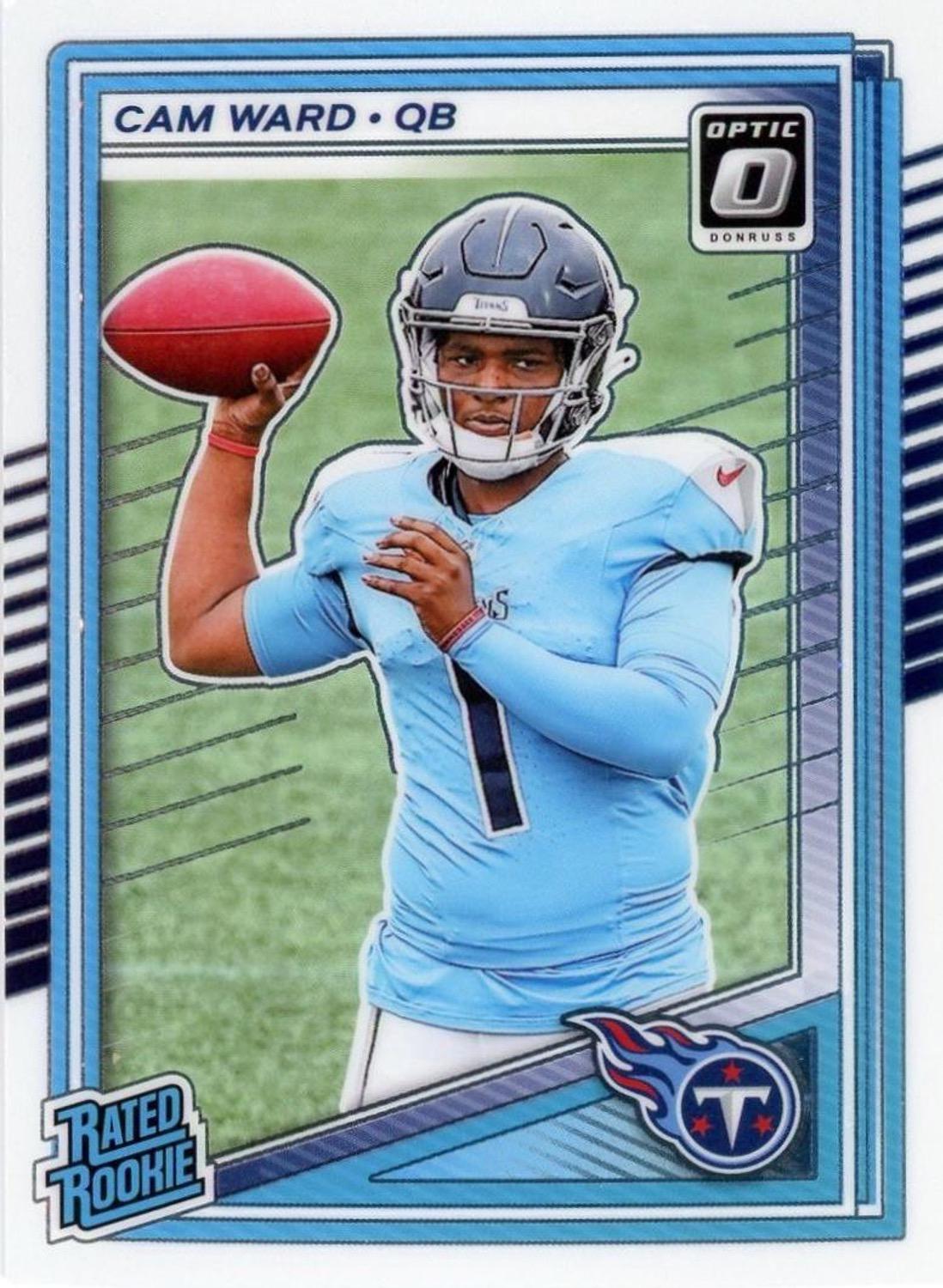
Topps is back in NFL cards. After nearly a decade where Panini held the license, the brand returned under the Fanatics umbrella, and 2025 Topps Chrome Football is the headline product. Collectors wanted this. The question is whether the new releases actually move the needle on value, or whether the cards that built the modern hobby still set the ceiling. The sold comps tell a clear story.
The New Chrome Rookies: Cheap to Start
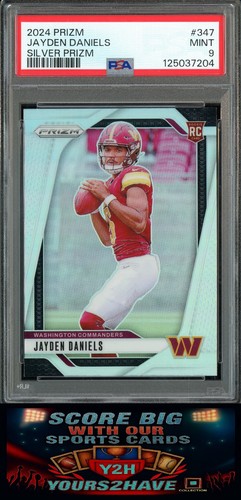
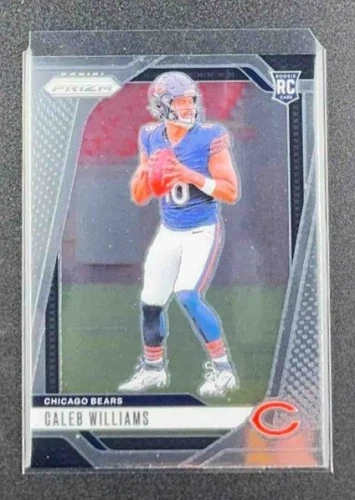
Here is the part that surprises people. The base rookie refractors out of 2025 Topps Chrome are accessible. A Jayden Daniels base Refractor (#295) trades around $1.75 raw, with a PSA 10 near $37. Caleb Williams base Refractor (#52) is about $3.25 raw and roughly $43 in a PSA 10. Shedeur Sanders is the volume king of the class, his base Refractor (#315) sits near $4.62 raw and pushes to about $126 in a PSA 10. That PSA 10 premium on Sanders is the tell. The market is betting on him.
Where the big money lives is the short prints and the on-card autos, not the base parallels. A loose refractor of a rookie is an entry point. A numbered auto or a one-of-one plays by entirely different rules, and that is where the four-figure sales come from. If you are buying the hype, know which tier you are actually buying into.
Mahomes: New Chrome Is Fun, Prizm Silver Is the Asset
The 2025 Topps Chrome Mahomes base Refractor (#148) is a clean modern card. Raw it runs about $5.50, and a PSA 10 sits near $152. That is a real card with real demand. But it is not the Mahomes card that holds wealth.
His 2017 Panini Prizm Silver rookie (#269) is the asset. Raw copies trade around $702, and a PSA 10 commands roughly $6,375. That is the gap that matters. A flagship rookie from the year a generational quarterback entered the league behaves like a blue chip. New Chrome is exciting, but it does not threaten the Prizm Silver. Both can win. One is a trade, the other is a hold.
On Modern Cards, the Grade Drives the Price
Look at how grade stretches value. The 2018 Topps Chrome Update Ohtani (#HMT1) runs about $270 raw and jumps to roughly $750 in a PSA 10. On modern cards with high print runs, the slab does the heavy lifting. The same logic applies across the new Topps rookies. A raw refractor and a PSA 10 of the identical card can sit hundreds of dollars apart.
This is why grading strategy beats brand loyalty. Chasing the newest product feels good. Submitting clean copies of the right cards and hitting the gem grade is what actually compounds. The brand on the front matters less than the number on the flip.
Vintage Does Not Care About the Hype Cycle
While the new releases grab headlines, true vintage sits in its own world. The 1976 Topps Walter Payton rookie (#148) is the reference point. Raw, a beat copy can be had around $180. A PSA 10 is a museum piece, with sold comps north of $54,000. That is not a typo. Condition scarcity on a 50-year-old Hall of Fame rookie produces numbers no modern parallel can touch.
Vintage rewards patience and condition. The hype around a new release fades in a season. A high-grade Payton has appreciated through every market cycle the hobby has seen. If you want the steadiest core of a football collection, it is not on shelves this month.
The Value Plays Worth Watching
Not every smart buy is a four-figure swing. A 2016 Panini Prizm Tom Brady base (#2) trades around $4 raw and roughly $72 in a PSA 10, a legitimate flagship Prizm of the greatest quarterback ever at a price most collectors can clear. The 2025 Panini Prizm Black Manziel parallels sit in the $6 to $10 range raw, the kind of speculative name that moves on attention rather than fundamentals.
That is the honest read on raw versus graded. Buy raw when you believe in the card and want the entry price. Pay up for the slab when condition scarcity is doing the work, like that Payton or the Mahomes Prizm Silver. The new Topps era is a real shift, and the early rookies are worth a look. Just remember that the cards setting the ceiling were minted years, sometimes decades, before this product ever hit a shelf.