
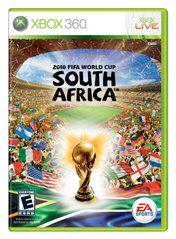
Soccer cards used to be the table nobody stopped at. Bring them up at a show ten years ago and you got polite nods before the conversation swung back to Jordan rookies. That table is crowded now. The international market is enormous, the chase names are global, and the prices on the right cards have caught up to the other sports.
If you are just walking in, the foreign names and unfamiliar leagues can make it feel like a different language. It is not. The same rules that govern baseball and basketball cards govern this. Pick a lane, learn the checklists, and read the comps before you spend. Here is the map.
Choose a Focus Before You Spend a Dollar
The fastest way to burn out is to chase everything. A new collector who tries to cover every league and every brand goes broke and quits inside a year. Pick a player, a club, a league, or a single brand and stay there. That focus builds real knowledge in your corner of the market, and that knowledge is worth more than any single card when everyone else is chasing whatever trends on social media.
Panini and Topps: Who Holds What
This is the question every new soccer collector asks first. The licenses are split, and knowing the split saves hours of hunting for cards that do not exist.
Panini holds the FIFA World Cup, La Liga, and Serie A. Their flagship lines are Prizm and Select, the same names basketball and football collectors already know. Topps holds the UEFA Champions League, the Bundesliga, MLS, and the Premier League. Their workhorses are Topps Chrome and Merlin. So a World Cup Prizm is Panini. A Champions League Chrome is Topps. Get that straight and half the confusion disappears before you ever open a pack.
The Legends Set the Ceiling
Start by looking at where the established names sit, because they tell you what the top of this market looks like. A 2014 Panini Prizm World Cup Lionel Messi base sells around $50 raw and pushes $406 in a PSA 10. A 2018 Panini Prizm World Cup Kylian Mbappe base runs about $36 raw and clears $253 graded. A 2017 Topps Chrome UEFA Cristiano Ronaldo base sits near $28 raw and hits $190 in a PSA 10.
Those are real sold prices, not asking prices, and for a beginner on a budget they are mostly out of reach in the high grades. That is fine. They are the measuring stick. They show you what a generational player's early card becomes once the career is written.
The Rookies Worth Chasing on a Budget
Rookie cards drive long-term value in every sport, and soccer is no exception. The play for a new collector is to get in on a rising name early, while the base rookies are still cheap, and hold.
The current crop is deep. Erling Haaland, Jude Bellingham, Lamine Yamal, and Endrick all have first-year and early Chrome cards moving real volume right now. The entry points are genuinely low. A 2024 Topps Chrome UEFA Endrick base sells around $1.34 raw and $76 in a PSA 10. A 2025 Topps Chrome UEFA Lamine Yamal base runs about $2.91 raw and $42 graded. A 2020 Topps Chrome UEFA Jude Bellingham base sits near $2.84 raw and $46 in a PSA 10.
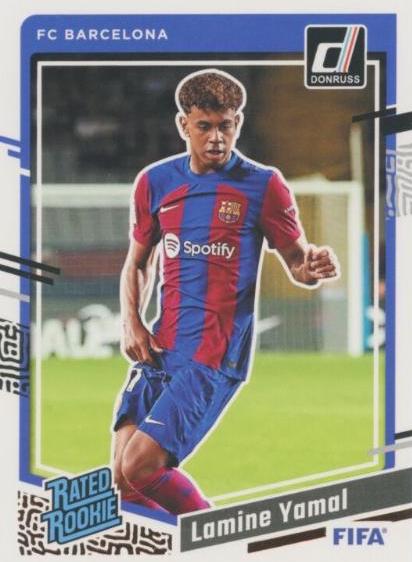
Those are starter prices for players who are already producing on the biggest stages. And the ceiling on the right young name climbs fast. Yamal already has a 2023 Topps Chrome UEFA Club card that runs about $30 raw and clears $487 in a PSA 10. Two seasons changed that card's life. That is the bet you are making at the base level: pay a few dollars now, and let the career do the work.
The Established Young Stars Cost More for a Reason
Haaland sits a tier above the others already, and his comps show it. A 2019 Topps Chrome UEFA Champions League Haaland base sells around $40 raw and $207 in a PSA 10. The Sapphire parallel of that same card runs about $126 raw and pushes $482 graded. He is barely into his prime and his early cards already trade like a star's. That is the difference between a player still proving it and one who already has.
Buy the Comp, Not the Hype
New releases bring noise. Every account online screams about the next big thing and pumps prices on everything in sight. The defense is simple and it never changes: check what cards actually sell for before you buy.
Look at real sold prices for the exact card in the exact grade you want. Not the listing prices, the sold ones. What did that raw Yamal rookie close at last week? Six months ago? eBay's completed sales tell you, and grading population data from PSA, BGS, and SGC tells you how rare your grade really is. A card that looks scarce can have thousands of PSA 10s on the market. Know that before you pay a premium.
The same discipline applies to sealed product. Starter packs, booster packs, display boxes, and tins are fun to rip and fine for an entry point. Just know that if you want one specific card, buying the single almost always beats buying boxes and praying. The comp on the single is a fixed, known cost. The box is a lottery ticket.
One last thing to keep in the back of your mind. Licenses move. Topps and Fanatics now hold properties the hobby once associated with other makers, and shifts like that reshape which old wax stays relevant. It is one more reason to learn the checklists rather than chase a logo.
Pick your focus. Read the comps. Have some fun with it. Do those three things and you will build a real collection without lighting money on fire.