
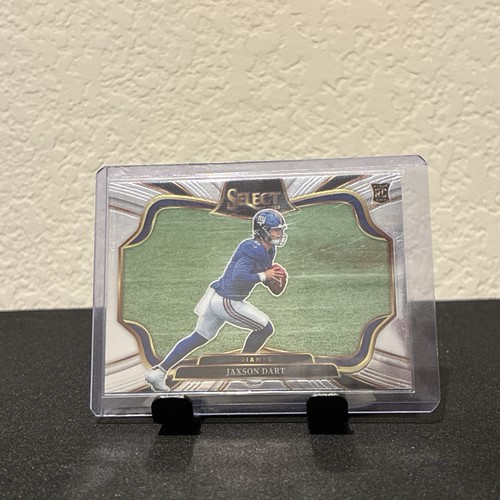
The 2023 Panini Prizm C.J. Stroud Silver rookie sells for $325 in a PSA 10 right now, with raw copies near $61.76. That's strong money for a quarterback two seasons in, and the volume backs it up. Stroud's base Prizm trades for a few dollars raw, so the Silver premium is real. Collectors are paying for the parallel, not just the name. The chase is alive on his cards in a way it simply isn't for most of the position.
That gap between base and parallel drives football pricing right now. The flashy first-year Silvers still command a premium. The broader market, though, has cooled off the peak. Names that ran to absurd numbers a few years back have settled. Where a card sits against its own base and graded comps tells you more than any headline about a boom or a bust.
The Veterans Have Softened
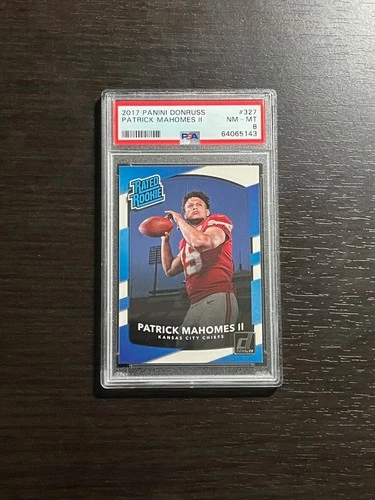
Patrick Mahomes is still the gold standard, and the price says so. His 2017 Panini Prizm Silver in a PSA 10 has a sold comp of $6,375, with raw copies around $702.28. That's a flagship card for a generational quarterback. It has held its place at the top. The instant-flip days on it are gone. This is a hold, plain and simple, and a very good one.
The next tier down has slipped. Justin Herbert's 2020 Panini Prizm Silver moves at a PSA 10 of $1,081.43, with raw near $108.46. Trevor Lawrence's 2021 Prizm Silver sits lower. His PSA 10 runs $962.25, raw around $50.28. Both numbers reflect markets waiting on the field. Speculators aren't piling into Herbert and Lawrence the way they crowd Stroud. They need a deep playoff run to reignite the prices the hobby saw at the peak. Until then, the comps say show me, don't tell me.
The Parallels With Room to Grow
Everyone chases first-year Prizm, and the recognition is earned. If you're not swimming in cash, the value sits one set over. Take Justin Jefferson, a top-tier receiver. His 2020 Panini Select Silver Prizm rookie grades out to a $71.48 PSA 10, with raw copies near $11. Now look at his 2020 Prizm Silver, where the PSA 10 runs $491.41. Same player, same rookie year. The Select parallel costs a fraction. For a receiver producing at his level, that spread leaves room.
Then there's the Optic Downtown insert, one of the most loved designs in the modern hobby. People assume these are cheap pulls. They're not. The 2021 Donruss Optic Downtown Ja'Marr Chase grades to a $1,462.50 PSA 10, with a PSA 9 at $844 and raw copies around $812.50. That's a marquee insert for a star receiver, and the comps prove the demand. Chase's 2021 Prizm Silver, by contrast, sits at a $200.75 PSA 10. The Downtown commands a premium because it's universally chased, not because of any single year's hype.
Sealed Wax Is a Trap Right Now
Sealed product is where the disconnect bites hardest. Box prices on mid-tier hobby wax stayed inflated off the peak, but the comps on the individual cards inside rarely justify the rip. Unless you hit a major auto or a true one-of-one, the math does not work. If you buy a box expecting to make your money back on a flip, know exactly which cards you are chasing and the realistic pull rates before you tear in.
Buyers have gotten sharper. They are not paying up for any shiny rookie card anymore. They want specific players, specific parallels, and specific grades, and they check the sold comps first. If you are sitting on a stack of raw common rookies from guys who are not producing, move them before the market corrects harder. A card with a flat trend and no production behind it has one direction to go.
The play is straightforward. Hold the proven flagships like the Mahomes Silver. Hunt undervalued parallels in sets like Select for stars who are still putting up numbers. Keep an eye on iconic inserts that hold their value because the whole hobby loves them. And if you buy sealed, buy it for the thrill of the rip. The guaranteed-profit box does not exist.