
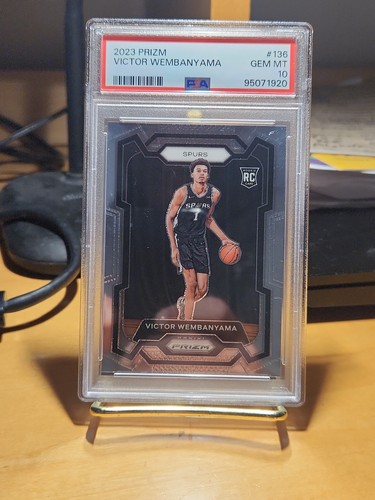
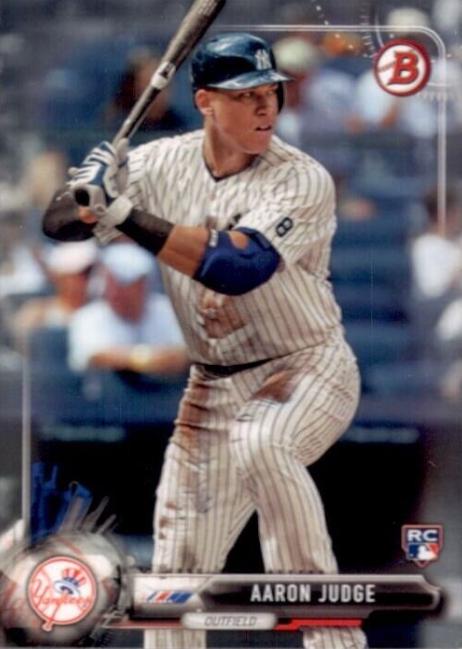
That 2023-24 Panini Prizm 1-of-1 Black parallel rookie card of Victor Wembanyama, graded PSA 10, selling for $5.11 million just last week, it's a jaw-dropper. This wasn't just a big sale; it was the most expensive non-autographed NBA card ever, pushing Wembanyama right into that top tier alongside those massive Aaron Judge and Honus Wagner sales we saw earlier this year. It's clear the high-end market for modern basketball is still on an absolute tear, and it feels like we're just getting started with Wemby.
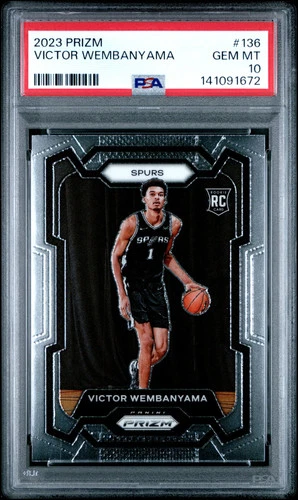
High-End Modern Cards: A Tale of Two Tiers
We've been talking about playoff hype being real, and it looks like it’s still driving wild action for guys like Wembanyama. While his top-tier cards are setting records, we're seeing some interesting shifts lower down the food chain. Shai Gilgeous-Alexander, for example, saw his price surge 19% with an 18.8% decline in inventory. That's a strong signal of demand and scarcity, which is always a good sign for long-term value. On the flip side, LeBron James's 25% price increase came with a 25.6% inventory spike. It makes you wonder how much of that is real demand versus just more supply hitting the market.
It's not just basketball. That Cristiano Ronaldo card selling for $1.35 million on May 21st, blowing past his previous record of $312,000, that’s another huge moment for the hobby. Soccer cards, especially around World Cup years, have always been pretty volatile, but this feels different. We've seen how World Cup tournaments can significantly boost the soccer card market, like Messi's 200-300% jump in 2022. With the 2026 Panini Prizm FIFA World Cup coming to North America, we've predicted it could be a massive catalyst for soccer card demand, and these Ronaldo numbers definitely back that up.
Vintage Continues to Chug Along
While the modern high-end cards grab headlines, the vintage market is still doing its thing. Goldin’s June Vintage Elite Auction just opened, featuring some serious iron like a PSA NM-MT 8 1952 Topps #311 Mickey Mantle card and a 1951 Bowman #253 Mantle Rookie graded PSA 8. We’ve seen the Card Ladder Vintage Index (1946-1983) climb around 18% recently, and sales like that 1952 Topps Mantle high-number card hitting $103,500 on May 17th, 2026, show that pre-1975 cards aren't just holding their own; they’re hitting their stride again. It’s a different kind of chase, sure, but a stable one.
Even more affordable vintage is finding buyers. A "Vintage 60 Baseball Cards Lot MLB Sports Trading Card Collection" went for $69.00 yesterday. It's not a headline-grabber, but it shows that the base layer of the vintage market is still active, driven by that collector nostalgia we've talked about. And for anyone looking to get into vintage without breaking the bank, these kinds of raw lots can be a good entry point.
PSA's Shifting Sands and Market Divergence
The new PSA grading policy changes are definitely shaking things up. The Value tier now costs $30 per card, and they've tightened up on declared value maximums. What this means, we think, is that it's penalizing high-population modern cards. If you've got a common modern Chrome parallel that might only be worth $40 or $50 as a PSA 10, a $30 grading fee just doesn't make sense anymore. This could reward scarcity and make those low-pop cards even more desirable.
We're seeing a clear divergence, too. Sealed Trading Card Game (TCG) hobby boxes are up 14% year-to-date, with PSA 10 TCG cards outperforming sports equivalents by 6% this quarter. Meanwhile, sports card flagships have dipped 4% due to what looks like overproduction. This isn't surprising, given how many modern sets seem to hit shelves. It just reinforces that "why" of collecting, especially for newer collectors. Are you chasing scarcity, or are you chasing player performance? The market seems to be rewarding the former right now.
The auction activity from the last week or so suggests a sustained push for top-tier modern cards and a steady, if less flashy, performance from vintage. For anything in the middle, especially modern cards with high pop counts, we'd suggest a careful look at recent comps and grading costs. Don't chase trends blindly; know what you're getting into.